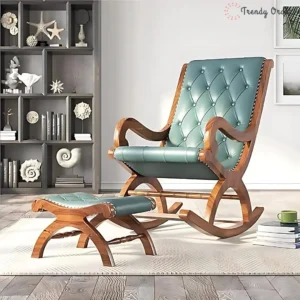
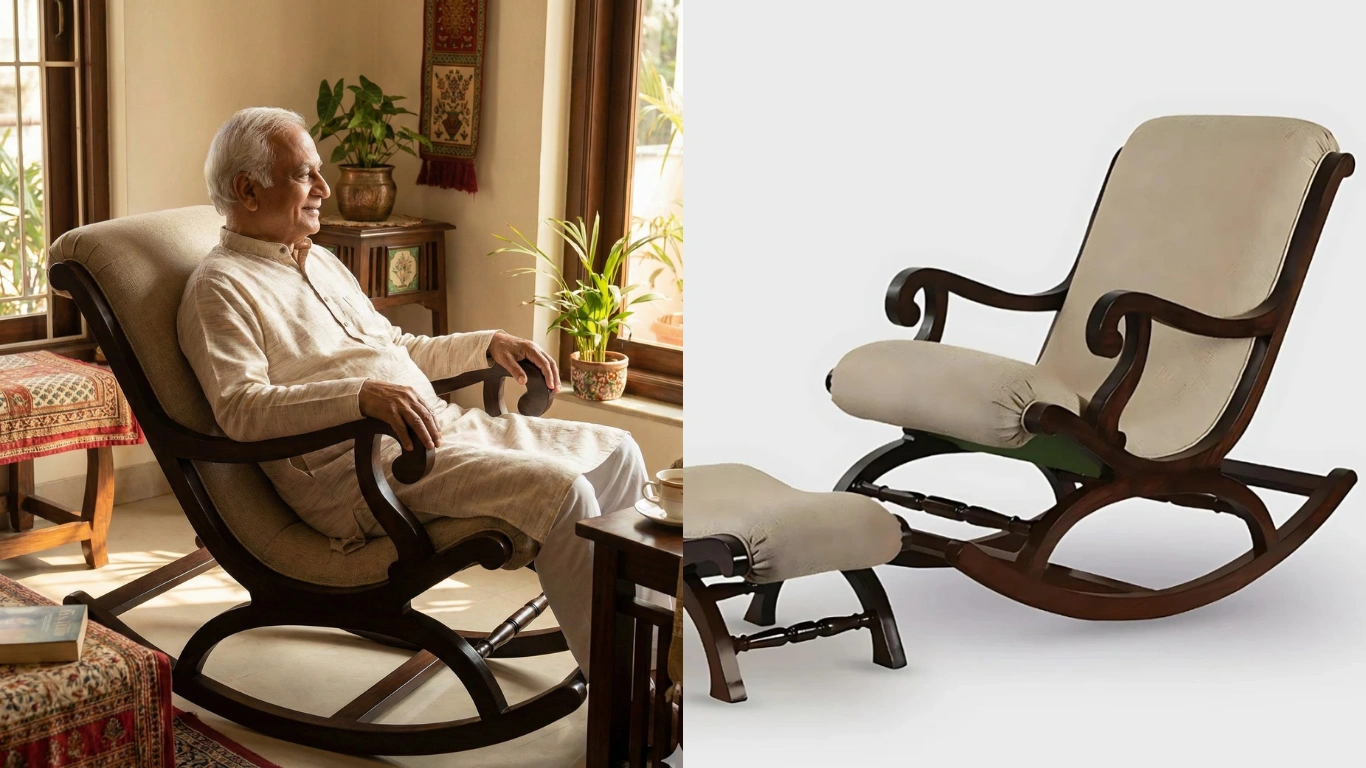
A good rocking chair can make daily life easier and more relaxing for seniors. The gentle movement helps with joint stiffness, supports circulation, and creates a calming space to rest or read.
But many chairs on the market don’t match the needs of older adults. Some are too low to get out easily, while others lack proper back or arm support. Choosing the right one means looking closely at comfort, safety, and ease of use.
This guide walks you through what to check—materials, cushioning, size, stability, and helpful features that make a real difference. Whether you’re buying for a loved one or planning ahead, here’s how to pick a chair that truly fits.
Why Seniors Need a Specialised Rocking Chair
Not every rocking chair is built for older adults. Seniors face physical challenges that need to be factored in before buying one.
Here’s why a regular chair may not be enough:
- Low seat height makes it hard to sit down or stand up without help.
- Lack of support in the back and arms can lead to pain or poor posture.
- An unstable base increases the risk of tipping, especially on hard floors.
- Thin or no cushioning adds pressure on joints, making it uncomfortable for longer use.
Choosing a chair designed for seniors means better comfort, easier movement, and fewer chances of strain or injury. It’s not just about relaxing and the comfort of seniors; it is about safety as well.
Choosing the Right Material
The material of a rocking chair affects everything—from comfort to how long it lasts. For seniors, it should be strong, smooth, and low-maintenance.
Here are the best options:
- Teak wood: Durable, termite-resistant, and ideal for both indoor and outdoor use. It has a natural polish and doesn’t need much care.
- Oak or Sheesham wood: Strong and steady. These are great for indoor use and have a classic look.
- Metal: Lightweight and modern-looking, but can feel cold and may need extra cushions for comfort.
- Wicker or cane: Looks airy and light, but often needs a solid frame underneath to support body weight safely.
Avoid materials that creak too much or show signs of bending or cracking. A chair made with high-quality wood like teak can last for years and stay sturdy even with daily use.
Comfort Essentials: Cushioning & Ergonomics
Seniors often sit for longer periods, so the chair must offer comfort without causing stiffness or pain.
Look for these key features:
- Thick, firm cushions: Soft cushions may feel nice at first, but sink too much over time. Firm padding supports the back and hips better.
- High backrest: Offers support to the upper back, shoulders, and neck. Low-back chairs should be avoided.
- Lumbar support: A slight curve in the lower back area helps reduce pressure and maintain posture.
- Padded armrests: Useful for resting arms and for pushing off when standing up.
- Breathable fabric: Cotton or linen covers feel cooler and prevent sweating during longer use.
- Smooth rocking motion: The chair should glide gently without needing too much effort. Avoid stiff or jerky movements.
Test the chair, if possible, or check reviews to ensure it stays comfortable even after extended use.
Sizing & Stability of Rocking Chair
A good rocking chair for seniors should feel secure, never wobbly or too low.
Keep these size and stability factors in mind:
- Seat height: Around 17–19 inches from the ground is ideal. Too low, and it’s hard to get up. Too high, and the feet may dangle.
- Wide seat: Offers more room to sit comfortably, especially if cushions are added.
- Strong armrests: Should be wide and stable enough to support body weight while standing up.
- Flat base or anti-tip design: The chair shouldn’t rock too far back or forward. A balanced arc helps avoid tipping.
- Weight capacity: Look for chairs that support at least 100–120 kg for long-term use.
- Solid joints and build: No creaks, loose parts, or shaking when you shift your weight.
These small details make a big difference in everyday comfort and safety.
Accessibility Features That Matter
A rocking chair should be easy to use, requiring neither strength nor balance. These features make daily use safer and more comfortable for seniors:
- Non-slip feet or rubber grips
These prevent the chair from sliding on smooth floors like tiles or laminate, reducing the risk of falls.
- Lightweight but sturdy build
The chair should be easy to move around the house but strong enough to stay stable while in use. - Smooth gliding or rocking motion
A gentle, consistent glide puts less strain on the knees and hips compared to stiff or jerky movement. - No sharp edges or deep gaps
Rounded corners and a seamless build help avoid skin scratches or clothes getting caught. - Side pockets or small trays
These make it easier to keep essentials like a book, phone, or medication within reach and will not require getting up often. - Motorised or assisted movement (optional)
For seniors with limited mobility, some models offer push-button rocking or lifting to assist in sitting and standing.
Final Checklist
Before you buy a rocking chair for a senior, run through this quick checklist:
- Is the seat height between 17–19 inches for easy sit-and-stand movement?
- Does it offer firm back support and a high backrest?
- Are the materials strong and low-maintenance, like teak or oak?
- Is there enough cushioning for daily comfort, especially in the seat and armrests?
- Does it have non-slip feet or a stable base to prevent tipping?
- Are there any accessibility features like side pockets or smooth gliding?
A good rocking chair should support the body, feel safe to use every day, and last for years. Whether it’s for a parent, grandparent, or yourself, choosing the right one makes a real difference in daily living.
Explore our rocking chair collection of senior-friendly adult rocking chairs designed with comfort, safety, and ease in mind.

Diksha Kalra is a freelance writer who creates engaging articles for Trendy Order, covering topics like furniture, interiors, modern designs, and wooden decor.